
In this week's Roundup:
Head Student's Welcome | The Week Ahead | Key Term Dates | Noticeboard | Photo of the Week
Nursery & Junior | Senior & Sixth Form | Submit a Story

A message from
Rich Jones, Head.
Last week I did Morning Talk in the Junior School. To my shame, it had been a long time, and Katie quite rightly asked me to make amends. I have always liked Junior and prep schools, but now my bunch have gravitated towards the Senior School, I have lost some of those everyday interactions with younger students. Something I am determined to rectify.
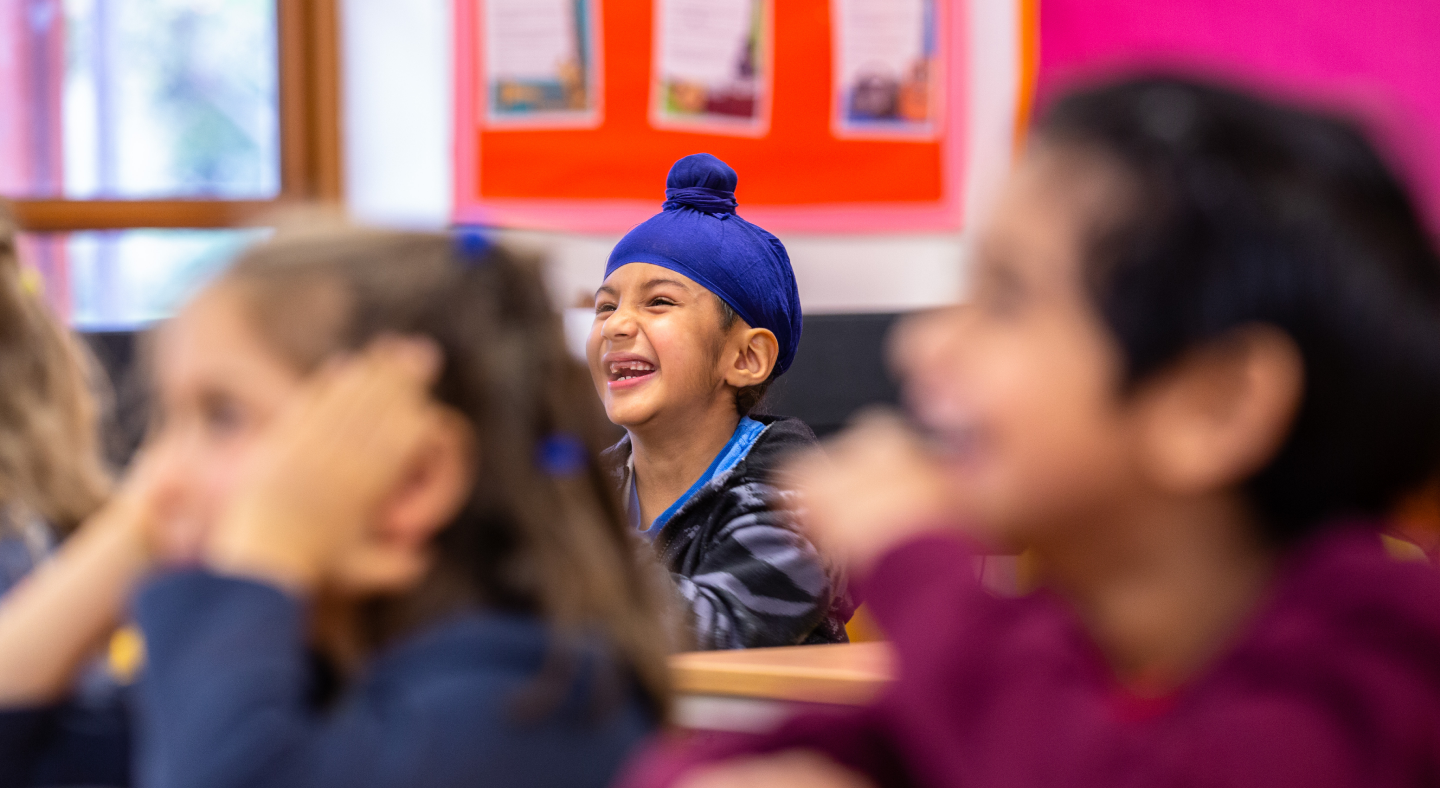
Since then, I have had lunch with different groups of Junior School students a couple of times. I have to say, rarely have I laughed quite as much as I did eating with them.
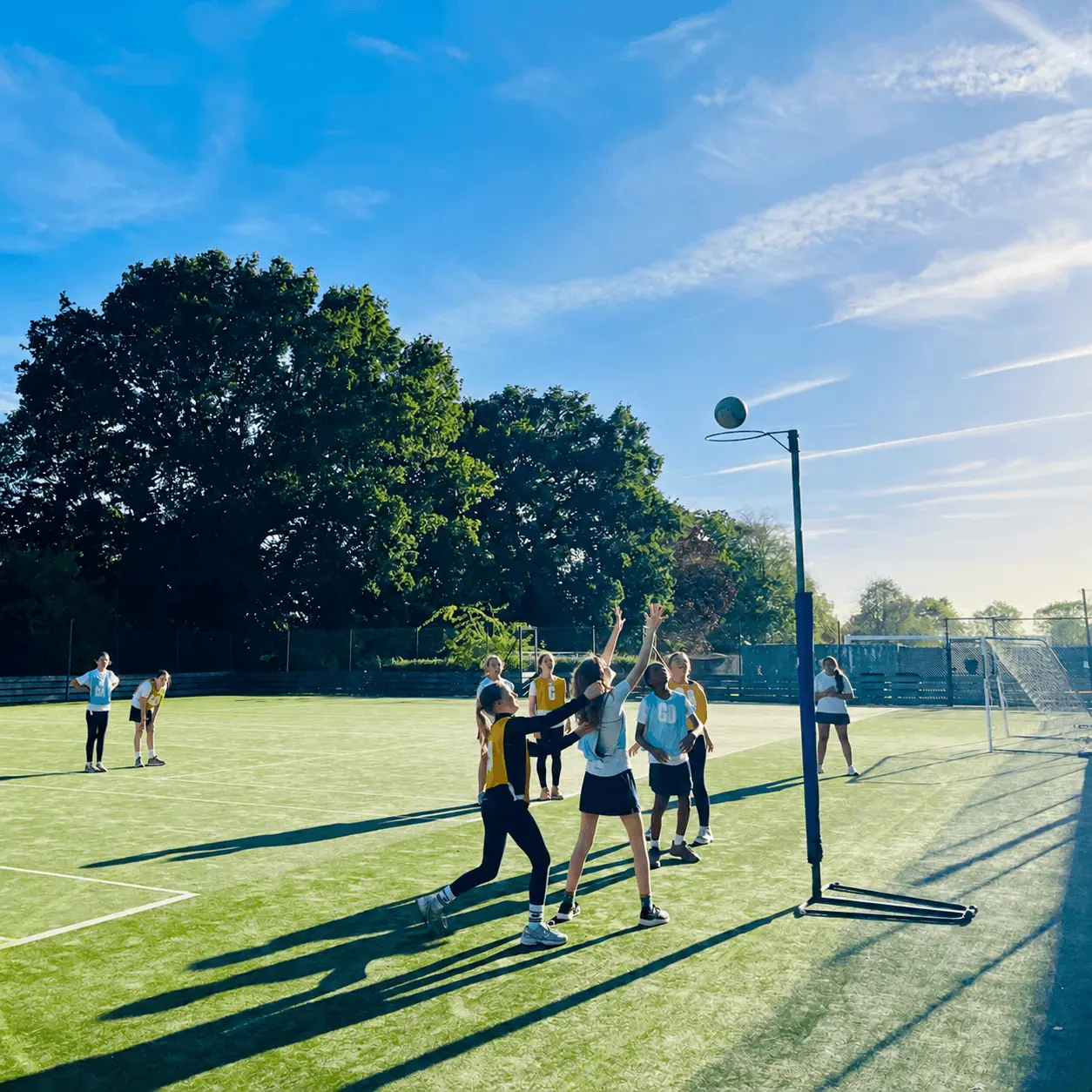
What struck me most was just how confident, energetic, opinionated and engaged they are. We discussed swimming, the subject of my talk last week, the importance of singing together, the pros and cons of rugby and netball, why tomato ketchup is the greatest culinary invention in the history of humanity, ChatGPT and the Romans.
An eclectic series of discussions, I grant you.
But I was struck by their passion and engagement with almost every topic. All had views, opinions, and ideas and there was zero shyness. They were relatively scathing about AI and very effusive about ketchup, and it got me thinking about the importance of discovery and exploration without always rushing to find the answer.
I had been reading an interview with Ying Xu, an Assistant Professor at Harvard, about AI and children. It would be easy to turn this into another piece about the dangers of AI, but I don’t think that is particularly helpful, nor actually what she argues. AI can be an extraordinary tool for learning. It can open doors, answer questions, provide explanations and allow children access to knowledge in ways we could barely have imagined even a few years ago.
Indeed, Xu’s own research suggests children can learn effectively from AI when it is designed with learning in mind. AI that asks children questions, gives them hints and encourages them to think can support learning rather than diminish it.
But she also uses a phrase I rather like: “productive struggling”. Sometimes there is value in not knowing.
In being stuck. In trying something and getting it wrong. In arguing with the person sitting opposite you. In following a thought down a completely pointless avenue and discovering, twenty minutes later, that it wasn't pointless at all. Something I am highly experienced in!
There is actually some interesting research behind this. The educational researcher Manu Kapur has explored something he calls “Productive Failure”. In one study, students were given problems they had not yet been taught how to solve. Unsurprisingly, they struggled. Some failed altogether. Another group were taught the method first and then practised it.
You might assume the second group learned more. In fact, while both groups learned the procedure, those who had wrestled with the problem first developed a better conceptual understanding and were better able to apply their learning to unfamiliar problems later.
The struggle had done something. And perhaps there is something important for schools in that.
For a long time, education has understandably placed enormous value on knowing things. Knowledge matters, of course it does. Children need facts. You cannot think critically about something if you know absolutely nothing about it.
But we are entering a world in which simply obtaining an answer is becoming astonishingly easy.
I can ask a device in my pocket who the fourth Roman Emperor was, how photosynthesis works, the population of Peru or how to calculate the hypotenuse of a triangle and have an answer within seconds. AI takes that another step further. It can explain it to me, simplify it, test me on it and then explain it differently when I still don't understand.
That is remarkable. I don't think we should fear it. I think we should teach children how to use it brilliantly.
But it does make me wonder whether one of the jobs of a school is increasingly to protect some of the space before the answer.
The wondering. The wondering is so very very important.
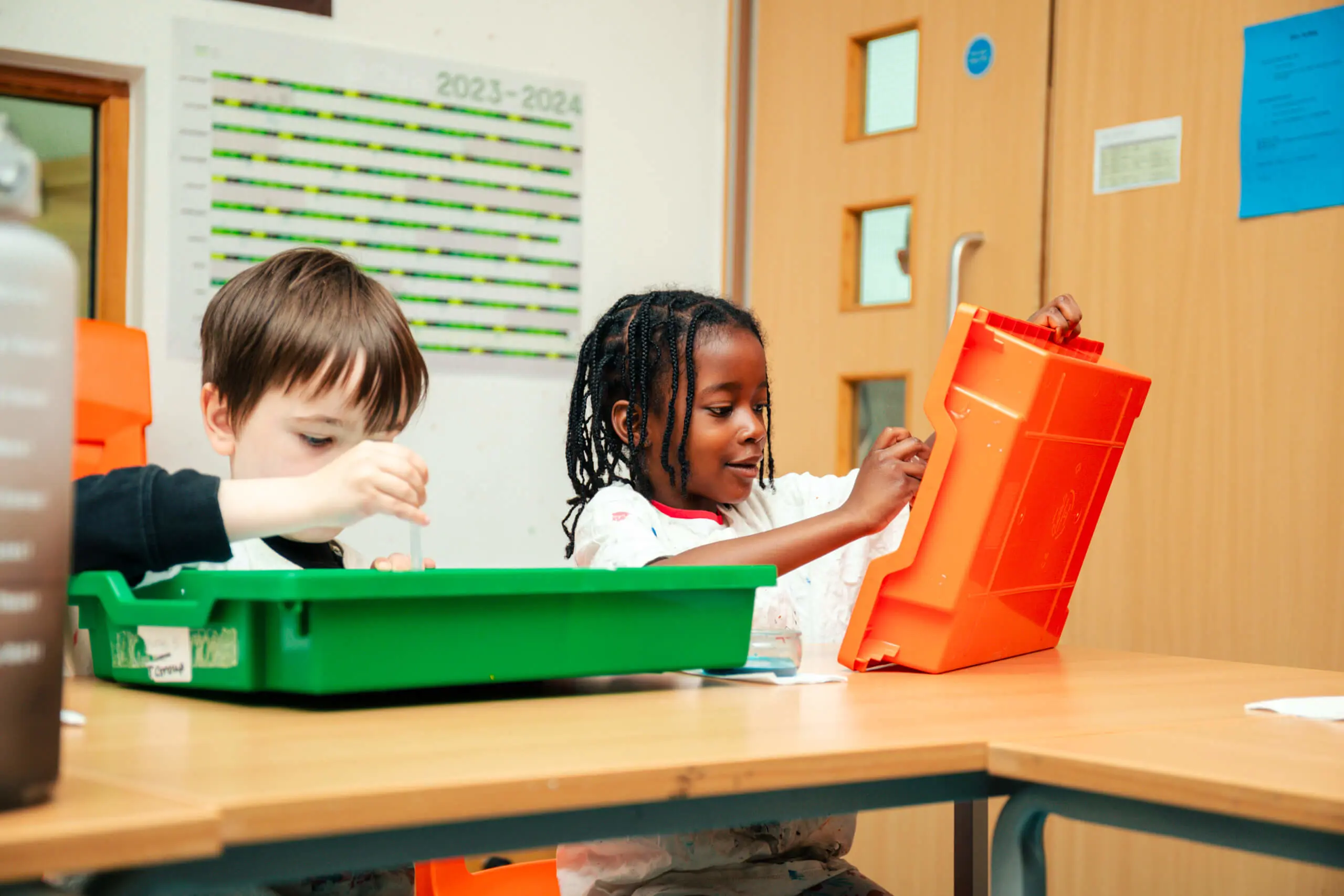
The “I don’t know.” The “what happens if...?” The half-built thing that collapses. The experiment that doesn't work. The story that takes an unexpected turn. The experient and picture that look wrong.
And so we all must acknowledge something that schools can sometimes find difficult: play is messy.
Children take risks. They make mistakes. They change direction. They become frustrated. They don't always produce something easily measurable at the end of it.
There is a wonderful tension here. Schools, understandably, like things to be purposeful. We have timetables, curricula, objectives, assessments, and outcomes. Play doesn't always behave itself quite so neatly.
But perhaps that is precisely why we need some of it. And I don't just mean play in the Junior School.
There is a temptation to think that play belongs to childhood and that, as children grow older, education should gradually become more serious. I am not convinced. A Sixth Former experimenting in an art studio, musicians improvising together, pupils arguing about the motives of a character in a novel, somebody trying to make something work in DT, a group devising a piece of drama, a scientist wondering why an experiment produced a completely unexpected result. These are all forms of play too.
They are all moments when the outcome isn't entirely predetermined.
Because the danger of an education system overly focused on outcomes is that children become very good at asking, “What do I need to do to get this right?” rather than, “I wonder what would happen if I did this?”
Those are quite different questions.
The first has its place. Of course it does. Sometimes there is a right answer, sometimes things simply need to be learned and sometimes success requires discipline, repetition and hard work.
But I don't ever want us to educate the second question out of children. Perhaps that was what I was noticing over lunch with our Junior School pupils.
Nobody was waiting for me to tell them what to think. Nobody was particularly concerned whether their contribution was the “correct” one. They wanted to tell me things. Challenge things. Ask things. Make connections. Disagree with one another and, occasionally, disagree quite enthusiastically with me.
There was a joy in finding things out. And that, I think, is something St Chris should protect fiercely.
Our children need knowledge and they need technology. They need to understand AI and become confident, thoughtful and critical users of it. Pretending it isn't there would be rather like schools in the 1990s deciding the internet probably wasn't going to catch on.
But alongside that, they need mud, paint, music, laboratories, workshops, stages, animals, sports pitches, books and other human beings.
They need teachers who sometimes answer a question with another question. They need to discover things nobody told them to look for and they certainly need time occasionally to follow the interesting tangent.
One of the things that struck me most in Xu's research was that children were perfectly happy talking to AI, and could learn from doing so. But when they talked to another human being, they were more likely to steer the conversation themselves, ask follow-up questions and volunteer their own thoughts.
That seems important. Because education is not simply the exchange of information. If it were, AI might eventually become extraordinarily good at providing much of it.
It is, occasionally, a Head sitting down for lunch with a bunch of Junior School children and finding himself involved in a passionate debate about Romans, rugby, artificial intelligence and condiments.
Perhaps one of the increasingly important jobs of a school isn't simply to help children find answers. It is to make sure they never lose the desire to find things out.
And, for the record, they were also completely wrong about ketchup. Horrid stuff.

A New Chapter for Arunwood
As communicated at the end of last term, over the summer we relocated our animal provision from Arunwood – the separate St Chris site on Muddy Lane, behind the School field – onto the main School site.
Our alpacas are now happily settled in the gardens behind Arunfield, while our smaller animals and reptiles have moved into the new Animal Loft in the Junior School. Bringing the animals into the heart of the School has created much better opportunities for pupils across different age groups to access them and supporting our Animal Care clubs, Senior School Environmental Studies and BTEC Animal Care course, as well as opening up new opportunities in the Junior School.
The move has also given us an opportunity to think differently about how we use Arunwood. Rather than leave an educational site underused, from 1 October St Chris is leasing Arunwood to East Hall School on a commercial basis.
The arrangement means that Arunwood remains a St Chris asset, continues to be used for educational purposes, and enables us to make purposeful use of our wider estate while focusing our own facilities and resources where they can have the greatest impact for St Chris pupils.
East Hall is, and will remain, entirely independent of St Chris. It will operate separately from the School, with its own access arrangements and no crossover with the day-to-day activities of St Chris.
We are delighted to welcome East Hall as our new neighbours and look forward to seeing Arunwood begin its next chapter.
.
Switch Off Wednesdays
Small Actions, Real Savings in the Junior School
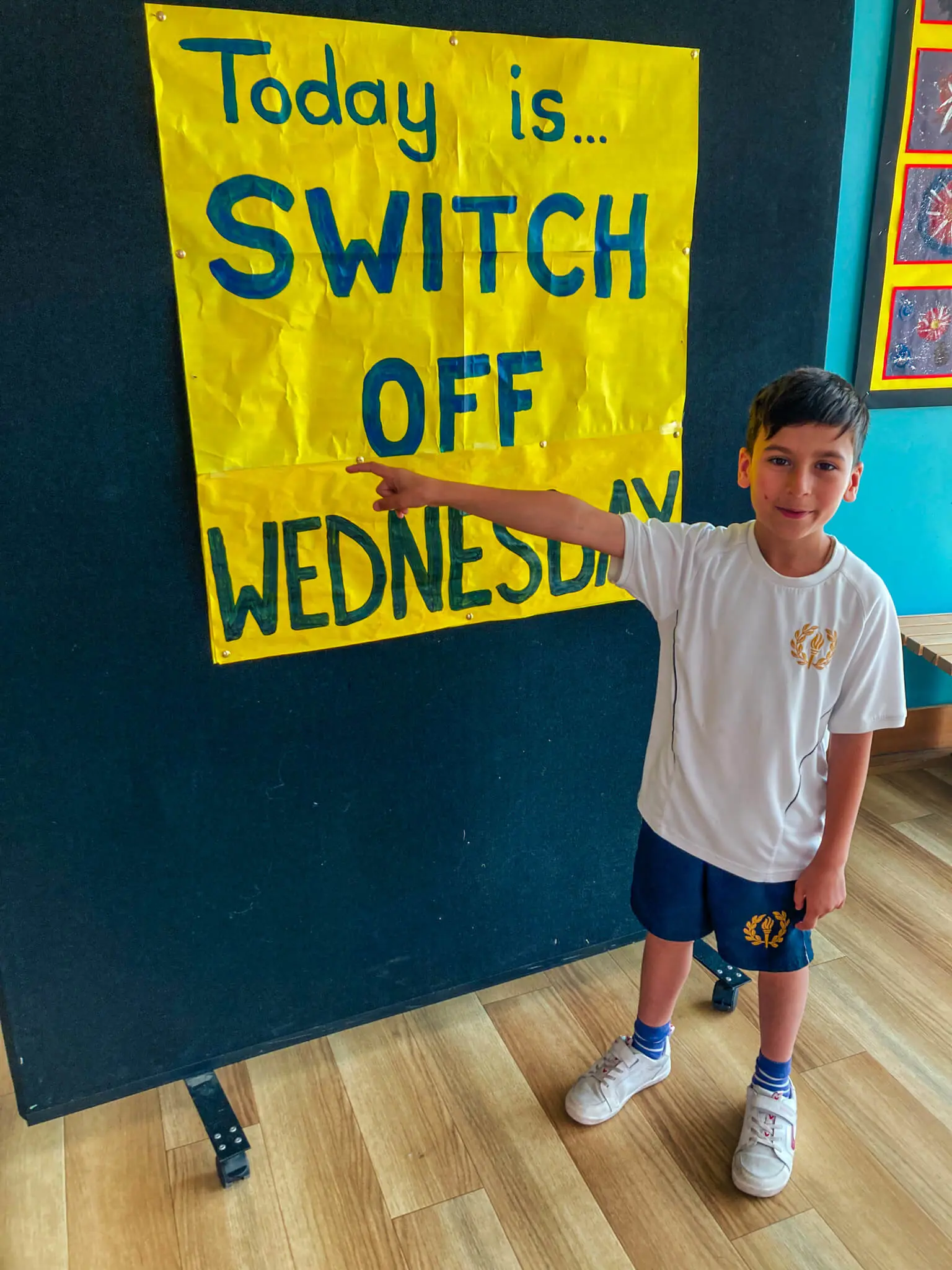
Our Junior School’s weekly Switch Off Wednesdays encourage everyone to think about the electricity we use and switch off lights and equipment when they are not needed. It is a practical way for students to take responsibility for caring for the environment, supporting the school’s ongoing commitment to its Eco-Schools Green Flag Award.
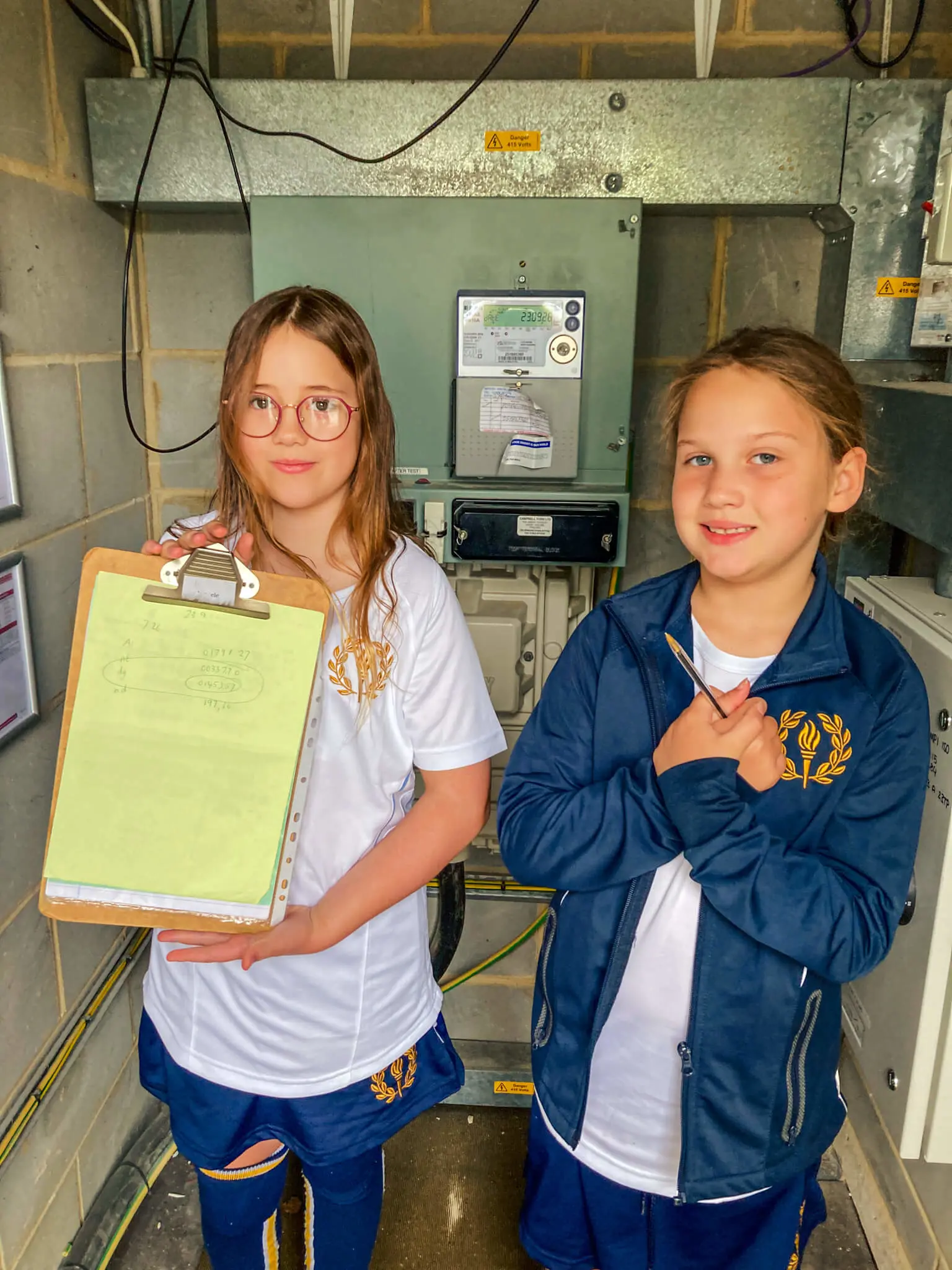
Leah in F Group (Year 4) and Gabriel in G Group (Year 3) have been helping to track the impact. Last week, Leah read the meter to establish a baseline: the Junior School used 111 kWh of electricity during the school day, without making particular efforts to switch things off.
This week, with everyone making a conscious effort, electricity use fell to 101 kWh - a saving of 10 kWh, or around 9%!
Our Green Flag Award recognises the school’s commitment to environmental education and action, and Switch Off Wednesdays help put that commitment into practice each week. Well done to everyone involved - a result worth celebrating and a reminder that small changes can add up.
Gold Duke of Edinburgh: Determination in the Lake District
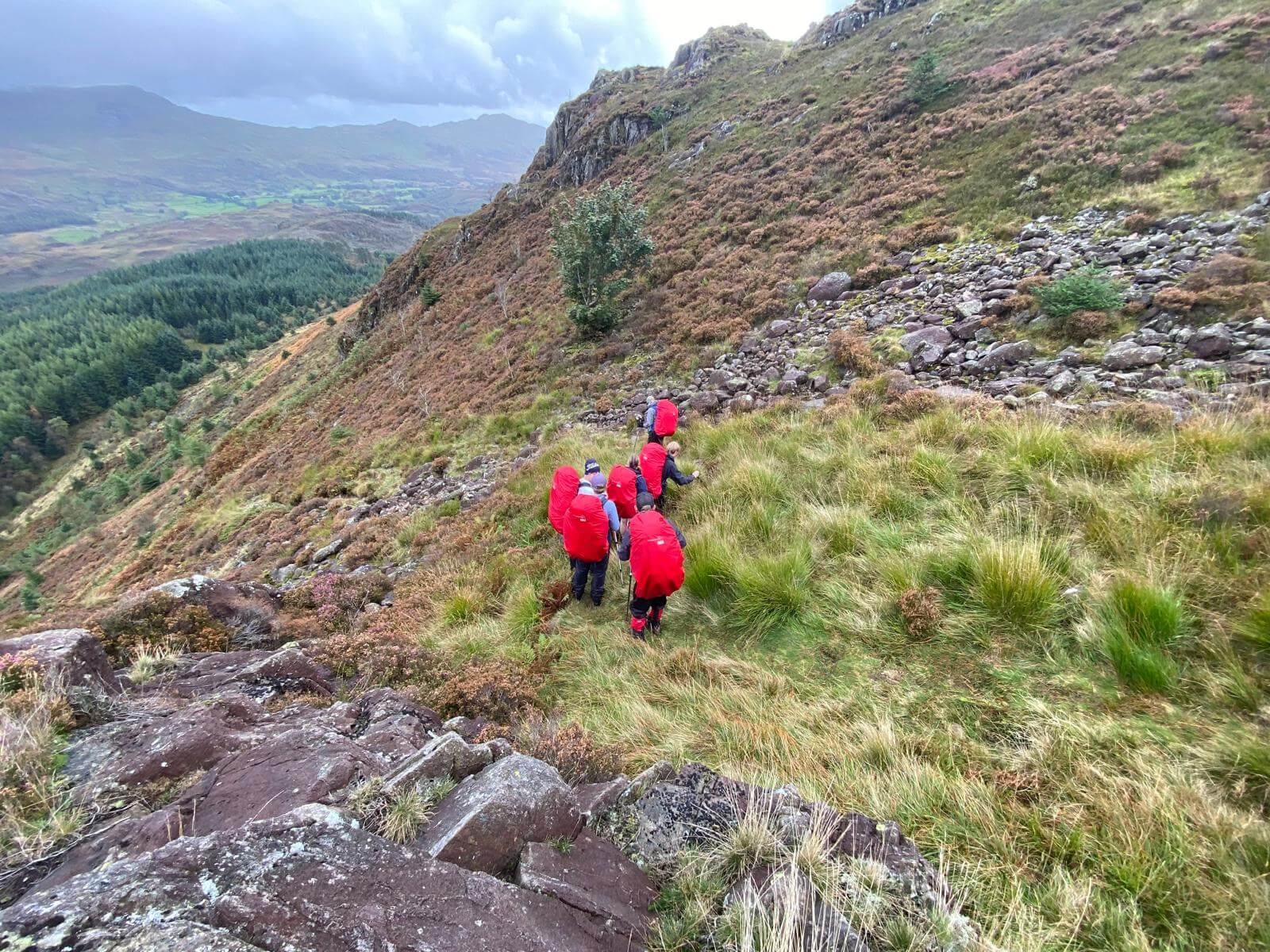
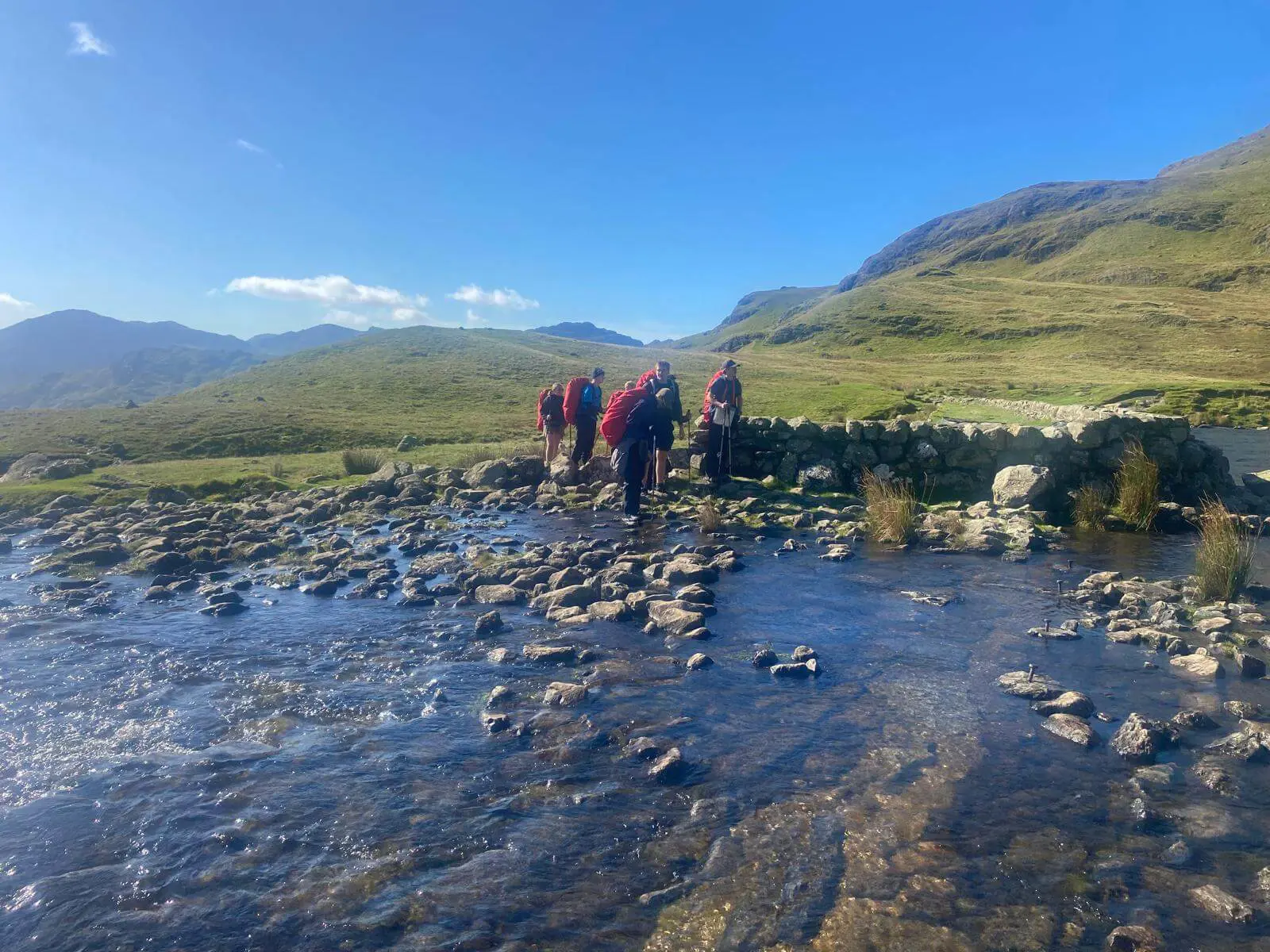
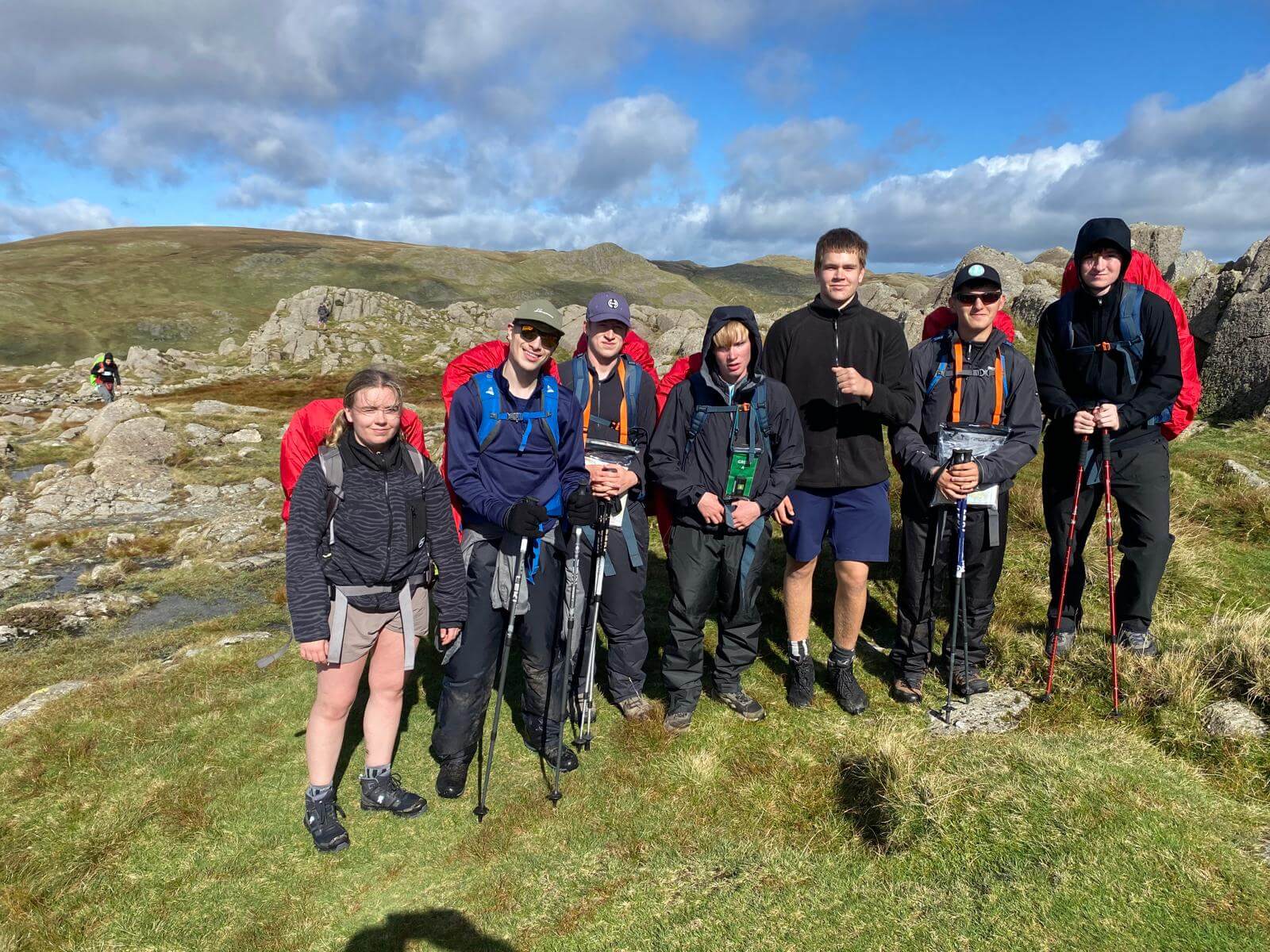
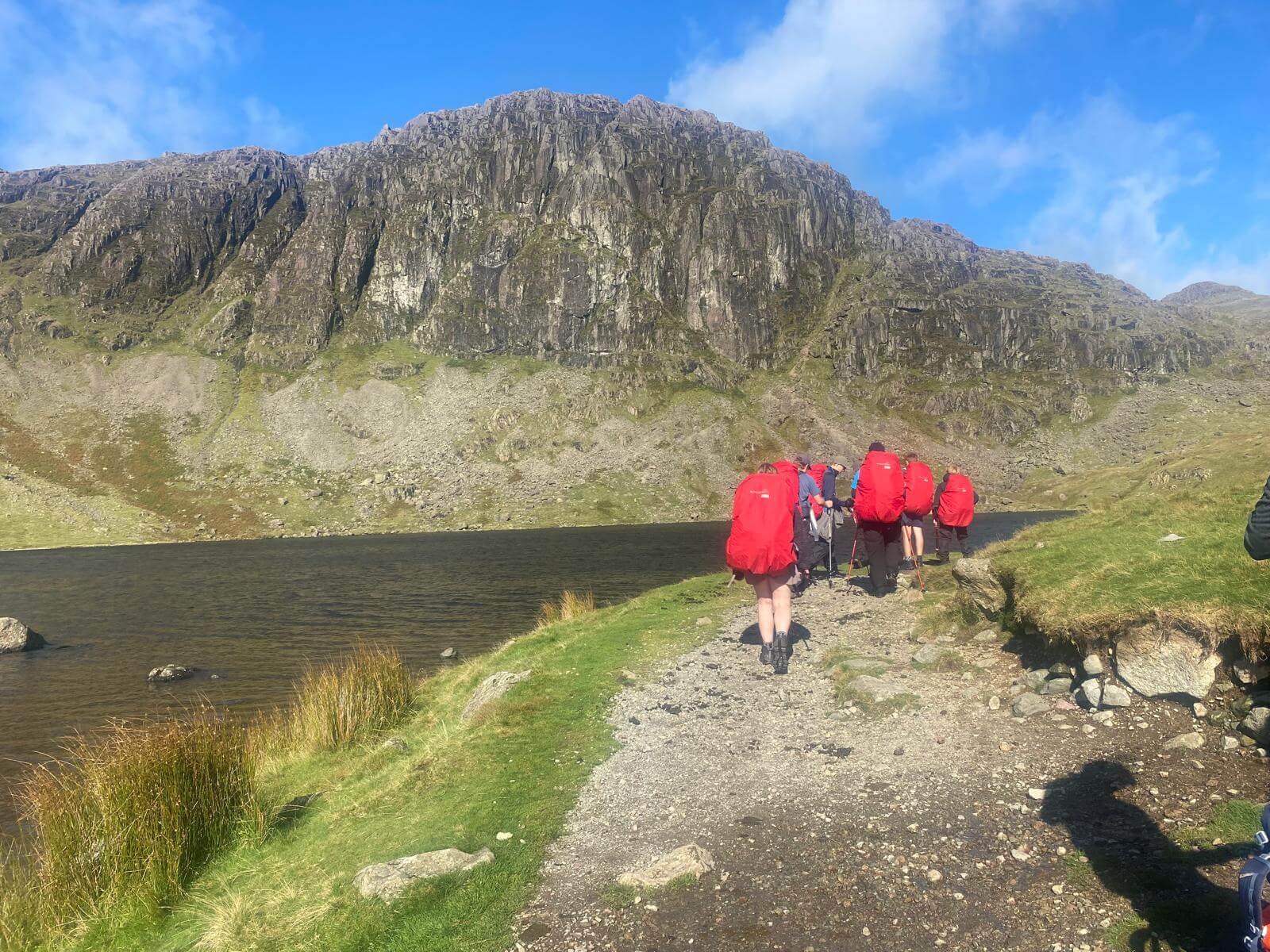
Seven Upper Sixth (Year 13) students headed to the Lake District last week for their Gold Duke of Edinburgh’s Award qualifying expedition. Over four days, they covered almost 50km of challenging terrain, climbing mountains and Wainwrights as they made their way from Great Langdale to the shores of Coniston Water.
The students showed great determination and teamwork throughout, while finding time for their expedition team goal: rating the gates they encountered along the way!
Next, they will give a presentation about their expedition and complete the remaining sections of their Gold Award. Well done, Red Team, on a demanding and memorable achievement!
History Spotlight: Portraits of Power
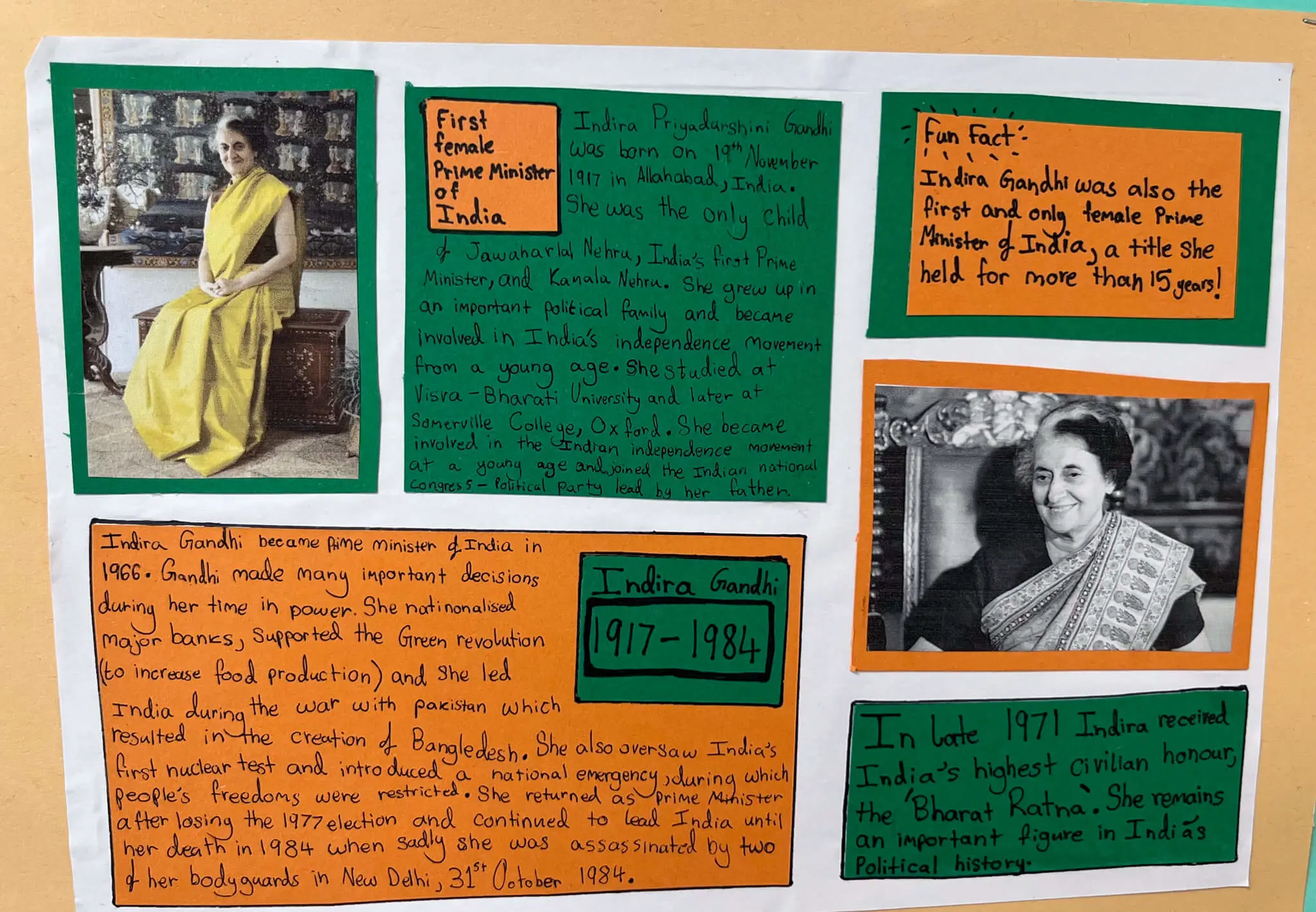
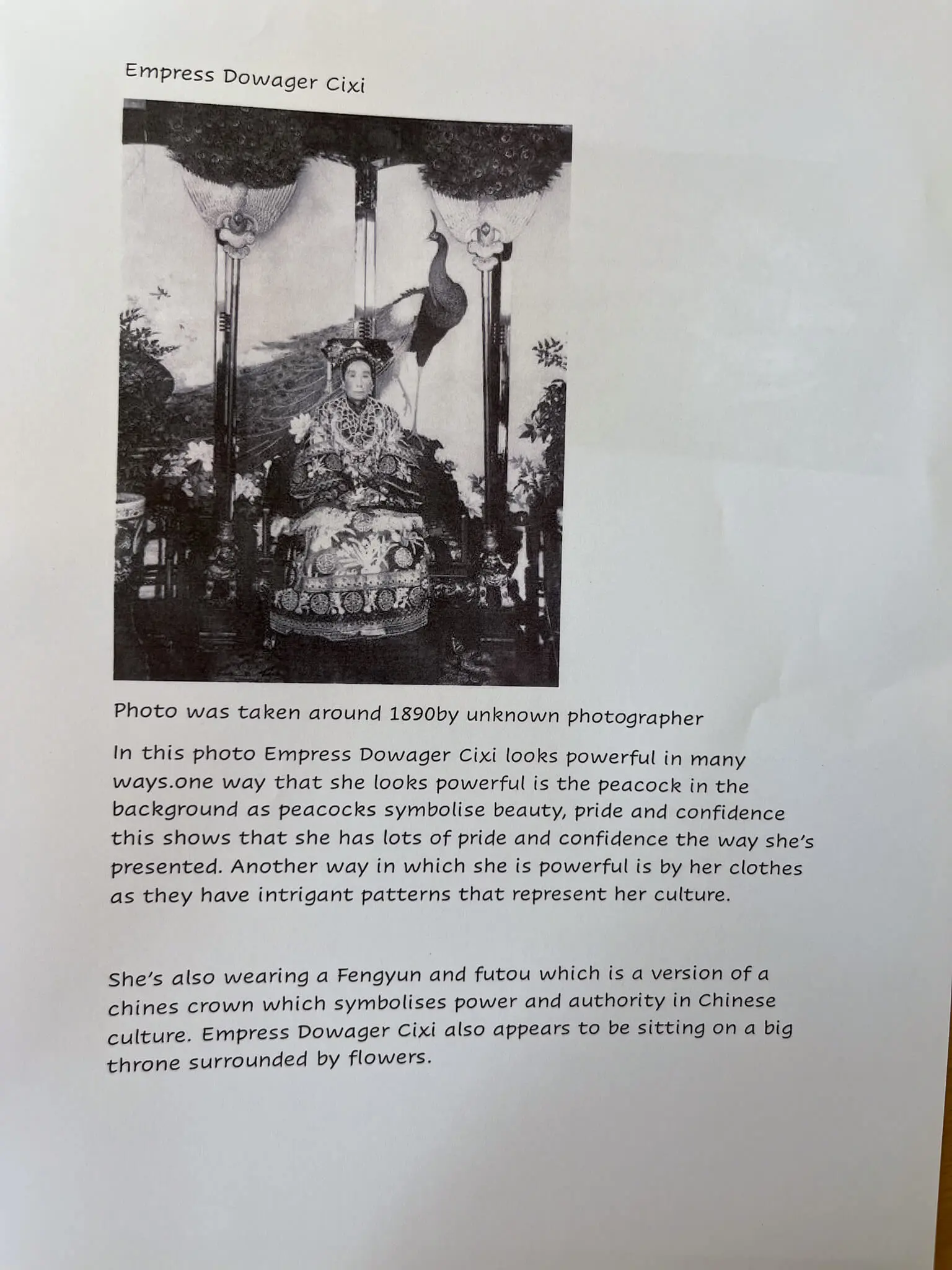
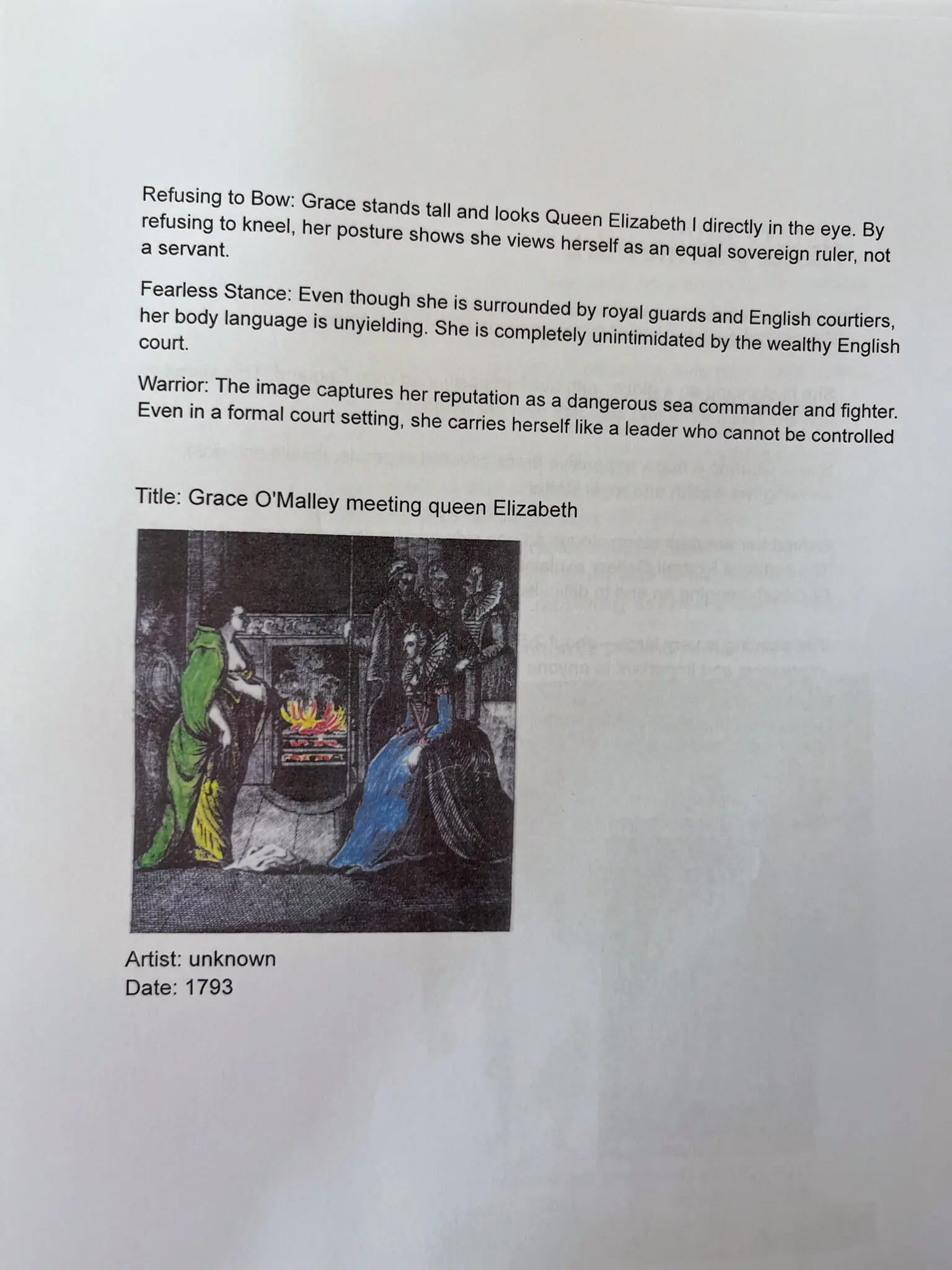
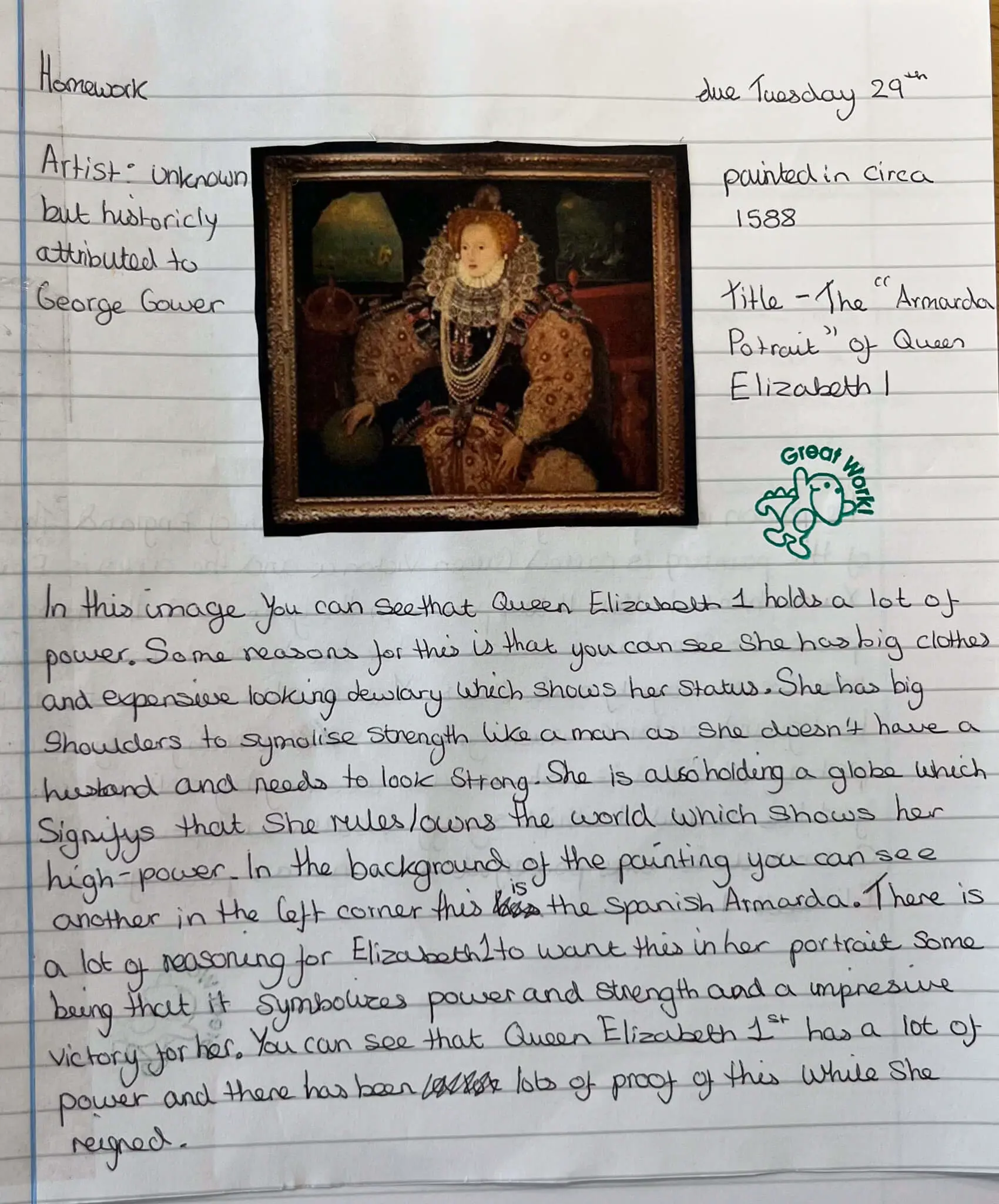
How can a portrait communicate power? III Group (Year 9) historians explored this question through a homework assignment this week, choosing an image of a powerful woman and explaining how she was represented.
Their choices included Elizabeth I, Queen Victoria, Empress Dowager Cixi, Grace O’Malley and Indira Gandhi. Students examined details such as clothing, jewellery, posture and background imagery, considering how these could convey wealth, confidence, status and authority.
From the symbolism in Elizabeth I’s Armada Portrait to Grace O’Malley’s stance when meeting the Queen, the work shows students looking closely and using visual evidence to support their interpretations. A thoughtful exploration of how images shape our understanding of historical figures.
Inspiring Morning Talks in the Junior School
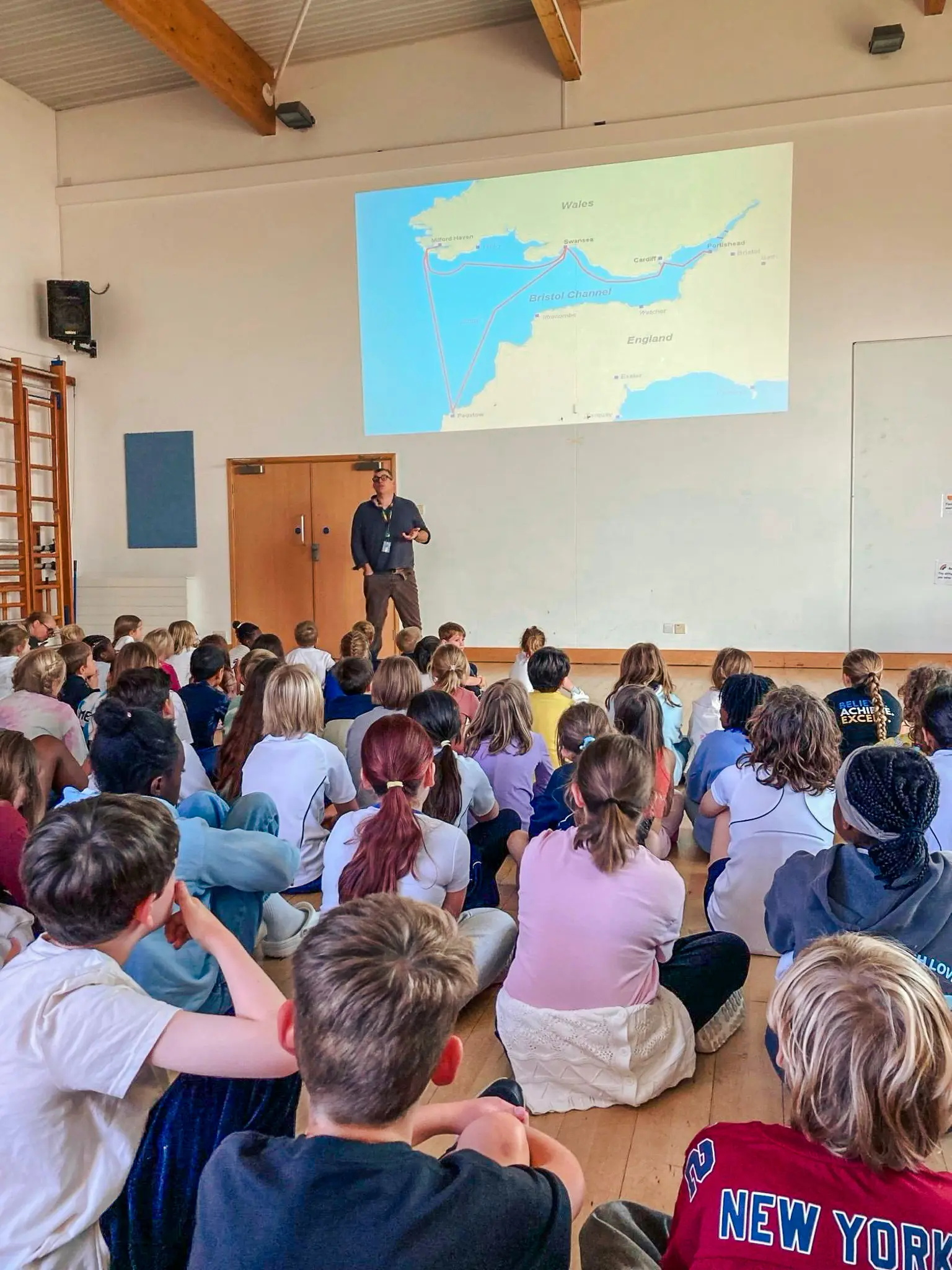
Morning Talks give our Junior School students time to come together, explore ideas and learn from one another. Each week includes Katie’s whole-school talk on Monday, singing on Wednesday and Key Stage talks on Friday, led by teachers and guest speakers.
Last week, Rich shared the story of his summer swim from Penarth to Portishead: a 35km journey completed in six hours and 30 minutes. At one point, he spent two hours swimming against the current without making progress. His decision to keep going gave students a memorable example of resilience and perseverance.
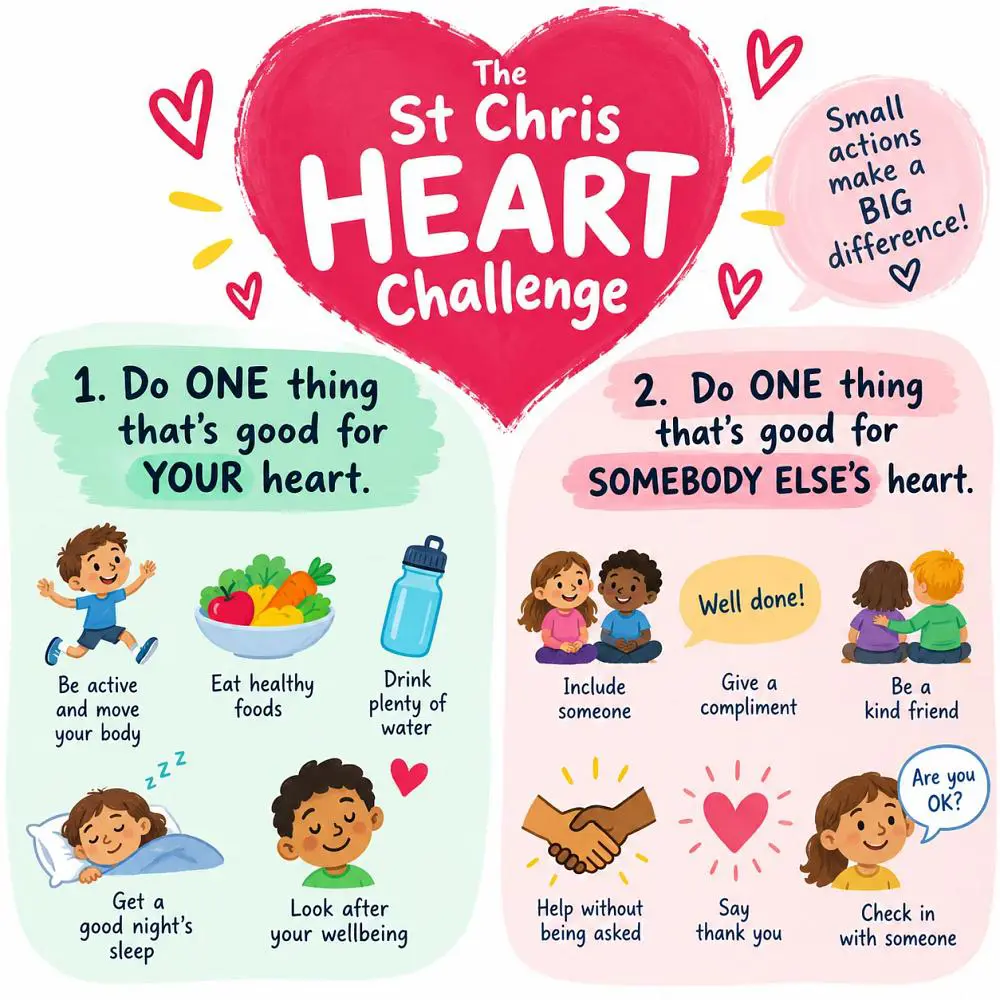
Monday’s talk looked ahead to World Heart Day, exploring both the work our hearts do and how our words and actions affect others. Students were challenged to do something good for their own heart, such as being active or sleeping well, and something kind for someone else, such as including them or being a good friend.
Students also have opportunities to lead talks on subjects that matter to them, developing confidence in speaking to their peers and sharing their interests and ideas, and we're always really proud of those students who volunteer to do this.
Themes this term have included nature, democracy, friendship and understanding emotions. Stories such as Uno’s Garden by Graeme Base and The Hummingbird by Michael Morpurgo have helped students consider how their actions can make a difference.
With Diwali, Remembrance Day, Anti-Bullying Week and World Kindness Day still to come, there is plenty more to explore. And, of course, we can't forget the singing! Our Wednesday musical Morning Talk is always an uplifting treat and brightens the week for pupils and adults alike.
Careers Newsletter
Edition #4
From Parliament to Outer Space
Could your next step involve coding for the International Space Station, exploring careers in Parliament or training as a solicitor? This week’s Careers Newsletter brings together opportunities to discover new interests, including a beginner-friendly space coding challenge, virtual work experience and an insight evening on solicitor apprenticeships.
There are also spotlights on planetary science, careers at AstraZeneca and studying at LSE, alongside guidance on university study in the USA.
Read the full Careers Newsletter here for further details and links to the opportunities featured.
Notices
Whole School
Term Dates 2027-2028
We have published our Term Dates for next Academic Year, which can be found below:
School Vaccinations: Dates and Consent Forms
Please note the upcoming vaccination dates:
-
II Group (Year 8), HPV: Friday 9 October
-
III Group (Year 9), DTP/MenACWY: Friday 9 October
-
Reception to Year 11, flu: Wednesday 14 October
Consent forms are now being sent directly by the NHS through a new system. Please check your emails and text messages for these.
Consent messages will come from:
-
Email: Vaccinations in Schools, vaccinations.in.schools@notifications.service.gov.uk
-
Text message: NHSUK
HPV and DTP/MenACWY queries:
hct.csaishwe@nhs.net or 0300 5555 055 (option 7)
Flu vaccination queries:
Hertfordshire@vaccinationuk.co.uk or 01462 427008
Considerate Parking: Please Respect our Neighbours
Please park considerately when dropping off or collecting students, particularly on Cloisters Road and the surrounding residential streets. We have received concerns about blocked driveways, parking on grass verges and engines left running.
Please help by:
-
Keeping driveways, pavements and access routes clear.
-
Leaving grass verges free of parked cars.
-
Switching off your engine while waiting.
-
Being courteous to residents and other road users.
Please allow a little extra time to find a suitable parking space and walk to school if needed.
Our neighbours are part of the wider St Chris community. Thank you for helping us maintain respectful relationships and keep the streets around school safe and accessible.
Parents' Circle AGM and Quiz Night
Friday 9 October
The Parents' Circle warmly invites all parents to their first meeting this Academic Year:
Their AGM will start at 6:30pm, at which a new Chair will be voted in. This will be followed at 7.00pm by a fun and informal Quiz and Rich Jones will - again - act as Quiz Master!
Venue: Social Library (in the Senior School - come to the Main Reception to sign in).
Nibbles and refreshments will be provided. A licensed pay bar will also be available.
Tickets for the quiz are free but please book.
There will be six people to a team and teams will be assembled on the night.
Please do book your place via My School Portal (under Calendar) by Monday 5 October so we can ensure we have enough refreshments for everyone.
If you have any questions about the AGM, please do contact the Parents' Circle at: parentscircle@stchris.co.uk
Big Future Survey
We have been asked to share a questionnaire with our students from Dame Rachel de Souza, Children's Commissioner for England.
This has been shared with students via email. Please do encourage your child to engage with this opportunity for Student Voice.
You can find more information about The Big Future Survey here: The Big Future | Children's Commissioner for England
Could You Help Inspire Our Students?
Humanities Futures
Tuesday 3 November 2026, from 6.00pm
We are looking for volunteers for Humanities Futures: Exploring Degrees, Careers and Opportunities, our first careers event of the year for students in Years 10–13 (IV Group to Upper Sixth) from St Chris and local schools.
Did you study a humanities subject at university, follow a related career path, or work for an organisation offering relevant apprenticeships? We would love to hear from you.
We welcome current university students, recent graduates and experienced professionals, particularly those working in archaeology, culture and heritage, education, the Civil Service, policy, planning, law, journalism, academia, publishing, charities, political research, marketing and public relations.
The evening will feature small-group panel workshops, giving students opportunities to ask questions and explore where subjects such as English, Geography, History, Philosophy and Politics could take them. We are also seeking a keynote speaker.
To offer your support, please email Lizzie Hedderson.
If you cannot join us in November but would like to help at a future event, please save these dates:
- Wednesday 24 February 2027: Senior School Careers Fair
- Friday 28 May 2027: Mock Interview Day
Thank you for helping our students explore their next steps.
Recycled Fashion Show: Materials Wanted!
Students have chosen Lost in Translation as the theme for this year’s Recycled Fashion Show. Our student designers are beginning to develop their ideas and would welcome unusual recycled or unwanted materials to incorporate into their creations.
We would be grateful for donations of:
- Old spectacles or glasses
- Sea glass
- Flip-flops
- Old or broken watches, clocks or cogs
- Old fairy lights
Please bring any donations to Main Reception.
Other unusual materials are welcome too. If you have something you think could inspire one of our designers, please send it in. Thank you for helping students turn unwanted items into imaginative fashion!
Wellbeing Hub
At St Chris, we’re proud to empower our staff and families to support the mental health and wellbeing of young people through The Wellbeing Hub - an online platform offering expert guidance and practical resources.
Parents and guardians are warmly invited to log in using the email address you use for school communications via the button below. Once signed up, you'll find a wide range of support at your fingertips - including podcasts, online courses, live events, and Q&A sessions with leading professionals in the field.
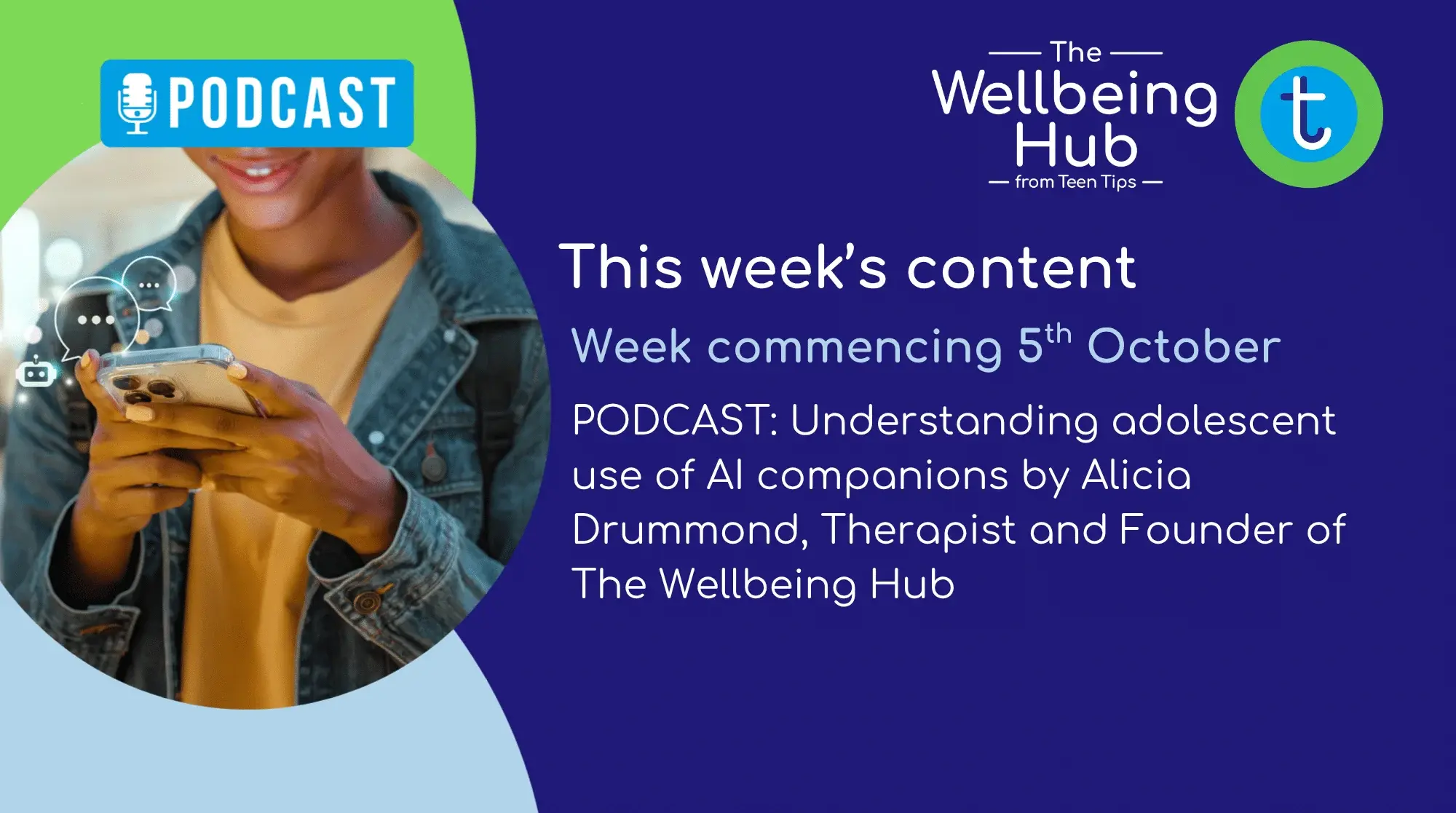
w/c Monday 5 October: Understanding Adolescent Use of AI Companions
Podcast by Alicia Drummon, Therapist and Founder of The Wellbeing Hub.
Barracudas at Half Term: Parent Discount
Barracudas activity day camps will be running at St Chris this October half term for young people aged 4–14, offering a choice of activities each session and flexible daily or weekly bookings.
St Chris families can receive an extra £25 off a week or £5 off a day using the code HSPC26 when booking.
Visit barracudas.co.uk for dates, availability and bookings, or call 01480 467 567.
The discount code cannot be used in conjunction with other code

Early Years & Junior School
Open Classrooms in the Junior School
This year, we are excited to introduce Open Classrooms in the Junior School. These informal drop-in sessions give parents and carers the opportunity to spend time in their child’s classroom, look through and share their work, enjoy refreshments and a chat with staff and other parents.
Open Classrooms will run from 8:30-9:30am, and you are welcome to drop in at any point during that time. Class teachers will contact families with the specific dates for their class.
- Autumn Term: H and G Group (Year 2 and Year 3)
- Spring Term: E and D Group (Year 5 and Year 6)
- Summer Term: Early Years and J and F Group (Year 1 and Year 4)
We look forward to welcoming you into school and celebrating the childre n’s learning together. If you have any questions, please contact your child’s class teacher or email Marcia Bonanni: Marcia.Bonanni@stchris.co.uk
Senior School & Sixth Form
Save the Date: Humanities Futures
Tuesday 3 November 2026, from 6.00pm
For IV Group to Upper Sixth (Years 10–13)
Enjoy English, Geography, History, Philosophy or Politics? Come and explore the degrees, careers and opportunities these subjects could lead to at Humanities Futures, our first careers event of the year.
Through small-group panel workshops, you will hear from people with experience of studying and working in these fields, ask questions and discover possible routes for your future.
Please save the date. Further details to follow.
February 2028 Ski Trip: Register your Interest
We are planning a Senior School ski trip to Alp 2500, Spain, during February half term 2028, combining five full days of skiing with professional instruction and a visit to Barcelona.
The proposed trip is suitable for all skiing abilities, with an estimated cost of £2,050 per student. Dates, costs and arrangements are still to be confirmed. Please read the accompanying letter for the proposed itinerary and payment plan.
Interested families should complete the expression of interest form by Friday 16 October 2026.
There is no financial commitment at this stage. Registering interest will help us plan the trip and does not secure a place. Formal booking details will follow once arrangements are confirmed.
⛷️ For questions, please contact Amy Anderson: amy.anderson@stchris.co.uk
Ski Trip 2028 - Further Information
Ski Trip 2028 - Expression of Interest Form
Next Week
Nursery & Junior School
- Monday 12 October: E Group (Year 5) Trip to National Space Centre
- Wednesday 14 October: Junior School Parents' Consultation; Flu Vaccinations
- Monday 19-Friday 30 October: Half term holidays
Senior School & Sixth Form
WEEK B Timetable
- Monday 12 October: I Group (Year 7) Parents' Consultation
- Tuesday 13 October: UCAS Creative Conference
- Wednesday 14 October: Flu Vaccinations
- Monday 19-Friday 30 October: Half term holidays
Autumn Term Diary
| Sunday 25 - Thursday 29 October | Sports Residential Trip to Salou, Spain |
| Thursday 29 October | Senior School Musical Rehearsal |
| Friday 30 October | Senior School Musical Rehearsal |
| Tuesday 3 November | Senior School Careers Event: Humanities |
| Wednesday 4 November |
Meet the Head (Senior School Admissions Event) 1100-1300 II Group (Year 8) and Sixth Form History Trip to Docklands |
| Friday 6 November | ESSA Primary Swimming Gala |
| Saturday 7 November |
Senior School 3D Design Saturday SHED Senior School Musical Technical Rehearsal 1 |
| Monday 9 November |
Lower Sixth (Year 12) Art Trip IV Group (Year 10) Parents' Consultation |
| Tuesday 10 November |
Meet the Head (Senior School Admissions Event) Sixth Form Psychology 'Brain Day' District Cross Country |
| Wednesday 11 November |
Remembrance Day Governors' Meeting |
| Thursday 12 November | III Group (Year 9) Gothic Tales Performance |
| Sunday 15 November | Senior School Musical Technical Rehearsal 2 |
| Monday 16 November |
Senior School Musical Dress Rehearsal A Level Psychology Trip |
| Tuesday 17 November |
Senior School Musical Dress Rehearsal Junior School Open House Flu vaccination catch up |
| Thursday 19 November |
Junior School Book Fair Senior School Musical Performance 1 |
| Friday 20 November |
Junior School Book Fair Senior School Musical Performance 2 |
| Saturday 21 November |
Senior School Musical Performance 3 (matinee) Senior School Musical Performance 4 (evening) |
| Monday 23 November |
Junior School Book Fair A Level Politics Trip V Group (Year 11) Practical Mock Exams |
| Tuesday 24 November |
Junior School Book Fair V Group (Year 11) Practical Mock Exams |
| Wednesday 25 November |
Junior School Book Fair V Group (Year 11) Practical Mock Exams Governors' Meeting |
| Thursday 26 November |
Early Years Nativity 1 V Group (Year 11) Practical Mock Exams GCSE Options Information Evening |
| Friday 27 November |
Early Years Nativity 2 V Group (Year 11) Practical Mock Exams |
| Monday 30 November | V Group (Year 11) GCSE Mock Exams |
| Tuesday 1 December |
V Group (Year 11) GCSE Mock Exams Music Recitals Evening |
| Wednesday 2 December |
V Group (Year 11) GCSE Mock Exams Senior School Great Debate Philosophy & Film Screening 2 |
| Thursday 3 December |
V Group (Year 11) GCSE Mock Exams Senior School Christmas Discos |
| Friday 4 December |
Junior School Christmas Fair V Group (Year 11) GCSE Mock Exams Upper Sixth (Year 13) Practical Drama Exam |
| Monday 7 December | V Group (Year 11) GCSE Mock Exams |
| Tuesday 8 December |
II Group (Year 8) Pantomine Trip Group (Year 11) GCSE Mock Exams Senior School Christmas Concert |
| Wednesday 9 December |
Junior School Christmas Lunch V Group (Year 11) GCSE Mock Exams Junior School Christmas Gathering 1 |
| Thursday 10 December |
V Group (Year 11) GCSE Mock Exams Junior School Christmas Gathering 2 |
| Friday 11 December | V Group (Year 11) GCSE Mock Exams 1200 noon Last day of Autumn term |
Early Years & Junior
From Mud Kitchens to Museums
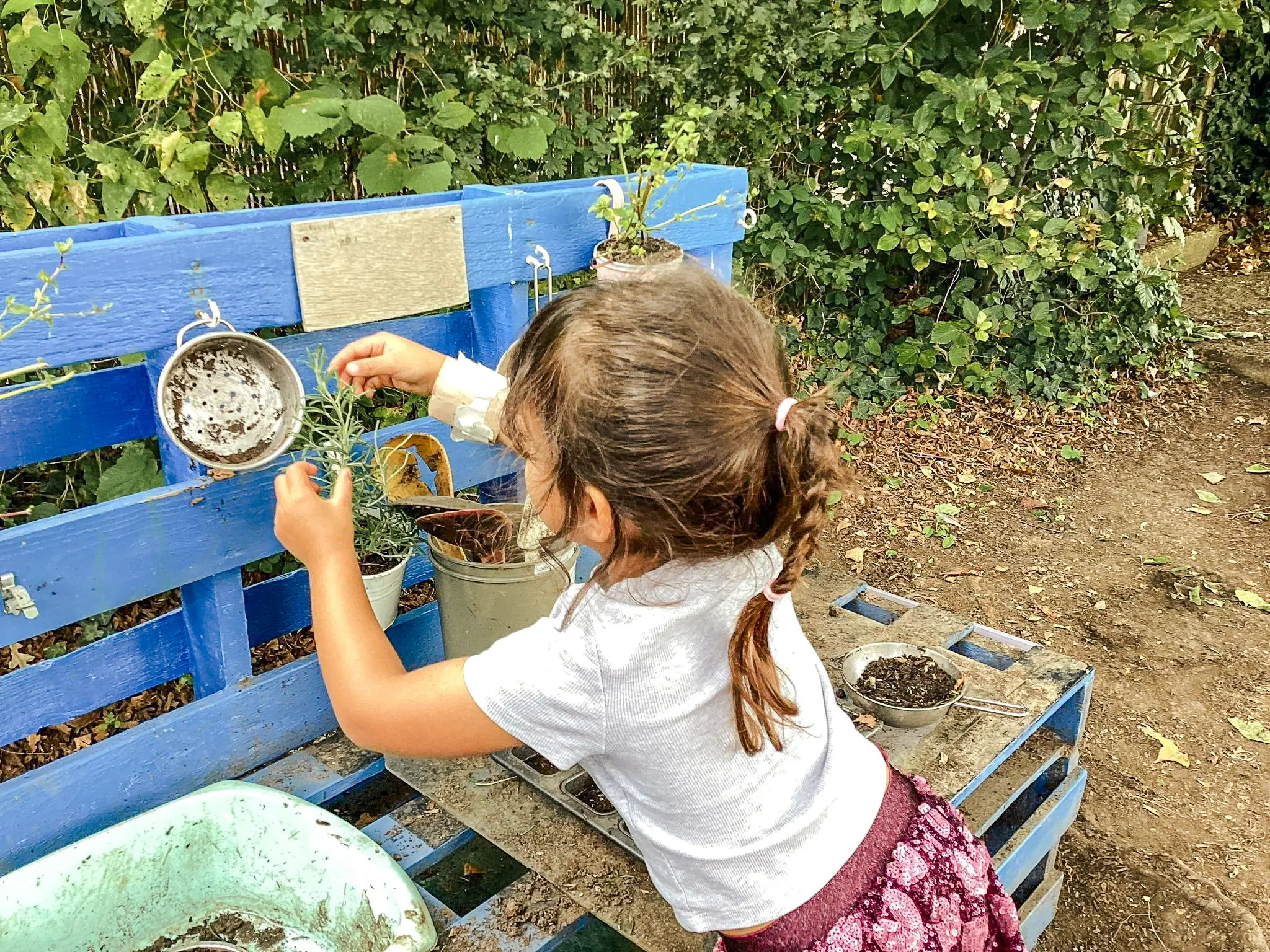
Tents, herbs and a berry hunt have kept our Early Years students busy outdoors this week. In the mud kitchen, herbs became ingredients for imaginative play, while Forest School offered a closer look at berries, including which are edible and which provide food for birds.
Elsewhere in Forest School, J Group (Year 1) made bracelets from natural materials and played conker games. H Group (Year 2) divided and repotted an aloe vera plant, while G Group (Year 3) put their listening and teamwork skills to the test through activities with agreed rules.
What if the Gingerbread Man Escaped?
J Group explored alternative endings to The Gingerbread Man, acting out scenes and working together to put the story’s events in order. Sentence-building also took learning in different directions, with H Group using word blocks and J Group composing sentences in Forest School.
In F Group (Year 4), students used adjectives and the five senses to explore how writers bring settings to life, then illustrated their own funfairs. For National Poetry Day, an online workshop with poets Simon Mole and Alim Kamara encouraged them to notice small details in the world around them. Their poems, written on the theme of ‘Wonder’, now form a class poetry book.
Our new Junior School Librarians were also announced, with pupils from F, E and D Groups (Years 4–6) ready to take on the role.
Looking Closely, Asking Questions
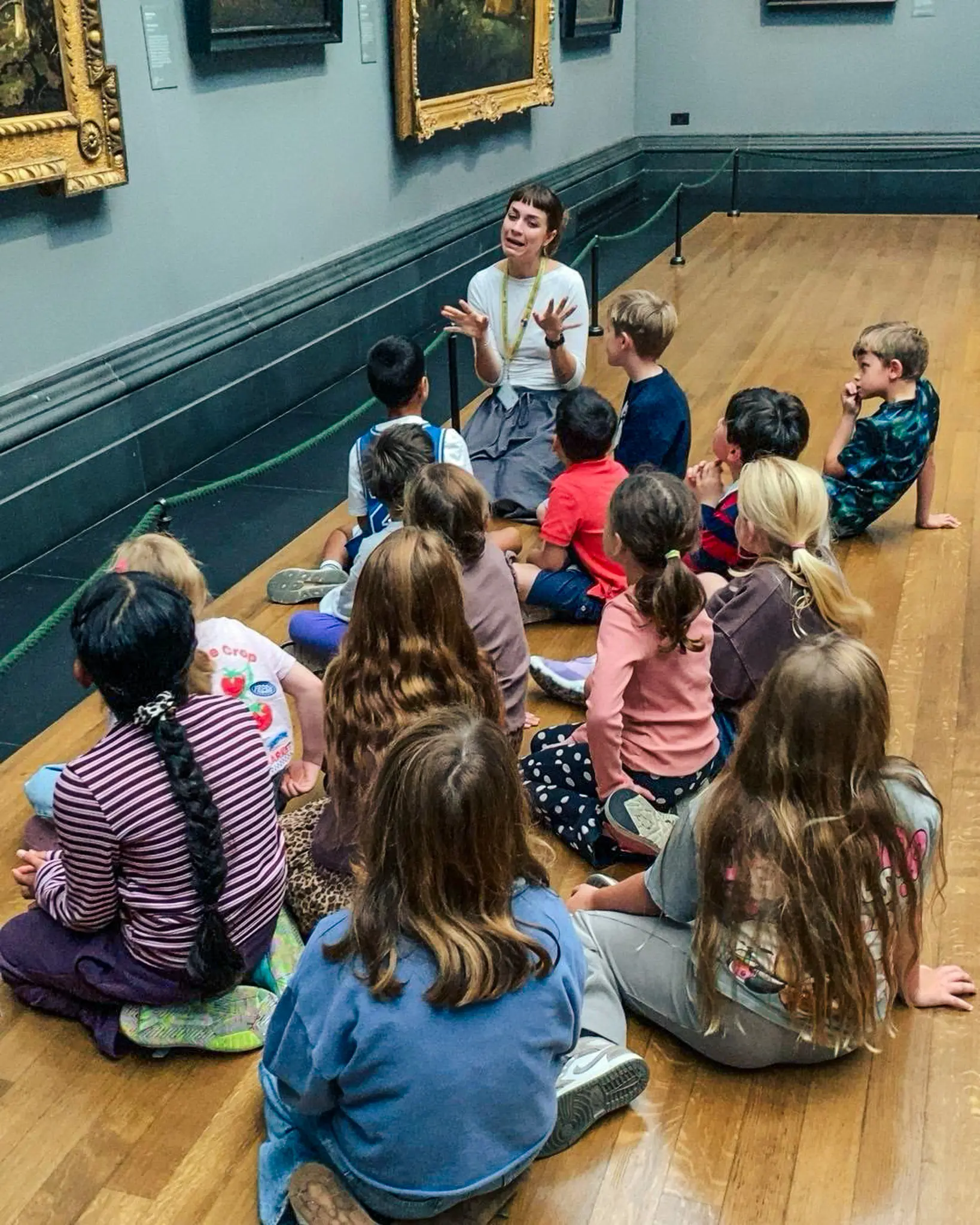
G Group visited the National Gallery for an Art and Emotion tour, exploring how artists express feelings through paintings. Back at school, their computing project has taken a culinary turn: research into European bakes will become scripts for their own films.
D Group (Year 6) visited the Imperial War Museum as part of their Conflict and Second World War topic. Artefacts, photographs and a replica trench helped students connect their classroom learning with the experiences of people who lived through war. The We Were There workshop gave them opportunities to hear individual accounts and ask questions, while the galleries prompted connections with work they had studied in art.
Closer to home, J Group explored different family structures and made family trees, alongside a practical investigation into their sense of smell. H Group continued their study of Victorian life by sketching workhouses and researching the Penny Black.

Senior & Sixth Form
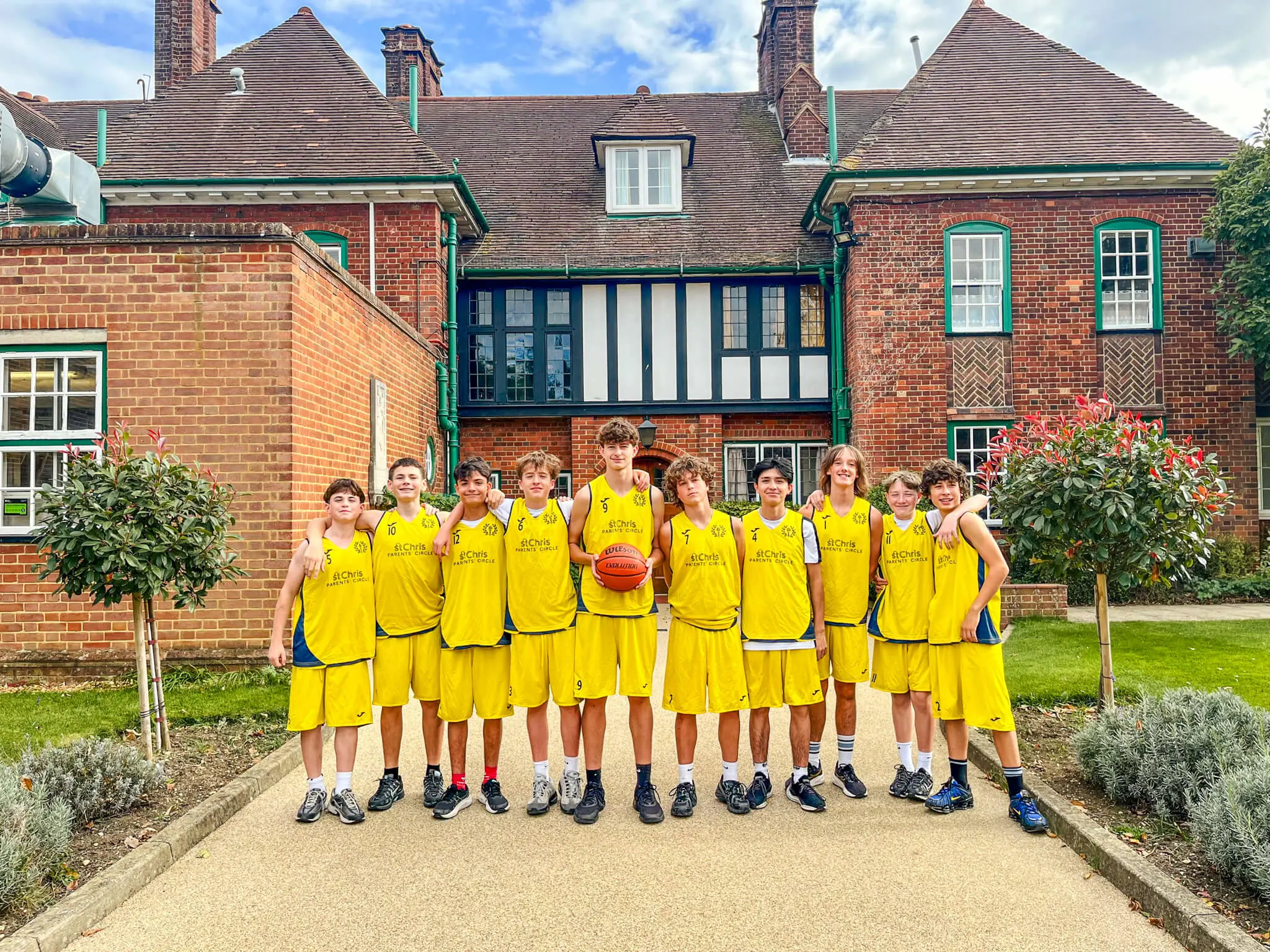
Basketball: Determination Against Strong Opposition
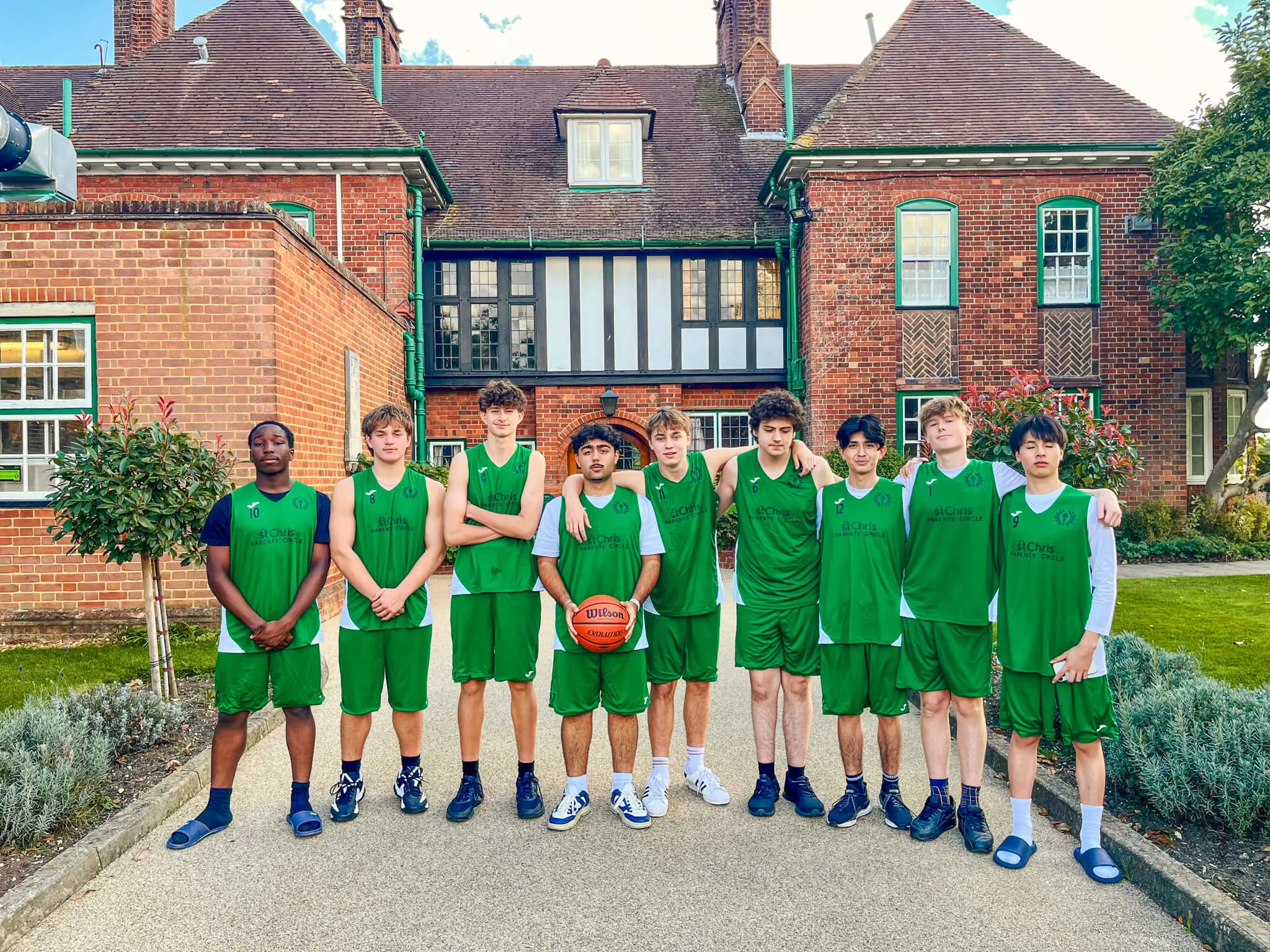
Following the success of last week’s basketball fixtures, our Senior and IV Group (Year 10) teams returned to league action this week against Hitchin Boys’ School.
After winning Division Two last year, our IV Group team faced a challenging opening fixture against last season’s District and County Champions.
Both teams met strong opposition and played with determination. Although both games ended in defeat, there were plenty of positives to take from their performances.
Well done to all the players for their effort, commitment and positive attitude throughout.
Senior School Eco-Council Gets to Work
Our Senior School Eco-Council held its first meeting on Tuesday, with students enthusiastically sharing ideas to make St Chris more environmentally friendly and reduce the School’s carbon footprint.
Their priorities include reducing litter, improving recycling around St Chris, cutting down on single-use plastics and creating spaces that support bees. The next step is to turn these ideas into practical action.
The Senior School students will work alongside the Junior School Eco-Council to support our next Eco-Schools Green Flag application, building on the school’s success in achieving the award for the past three years.
We look forward to sharing their progress over the coming months as students help shape a greener school.